Painting spaces, not walls.
The artist behind ZMural
ZMural is the muralism and spatial design studio of artist Zan Varela, creating bespoke artworks that become part of the architecture they inhabit.
“I don’t see a wall as a blank surface. I see it as part of the space — something that can carry colour, atmosphere, movement and meaning.”
.png)
Studio Story & Philosophy
From fine art to the built environment.
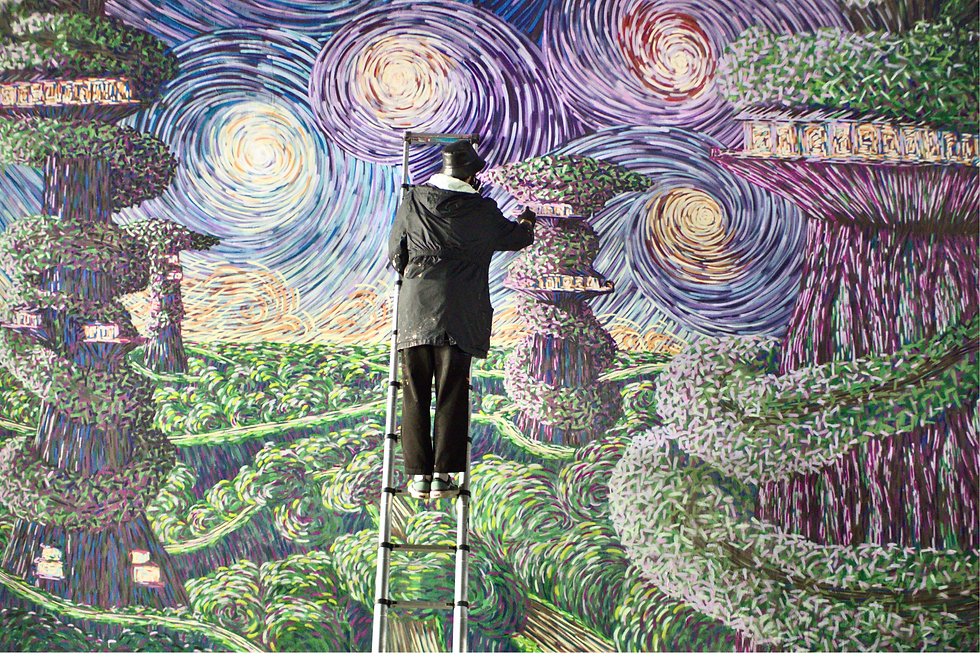
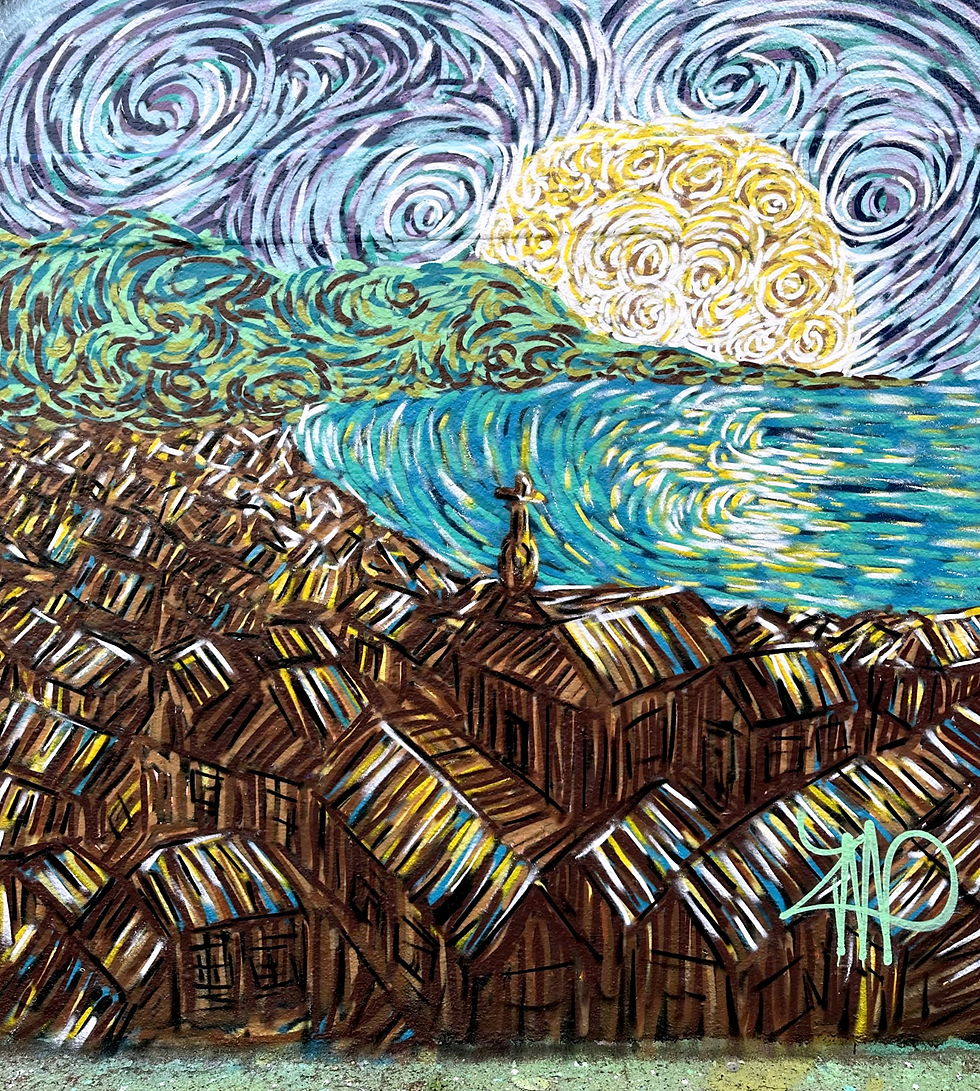
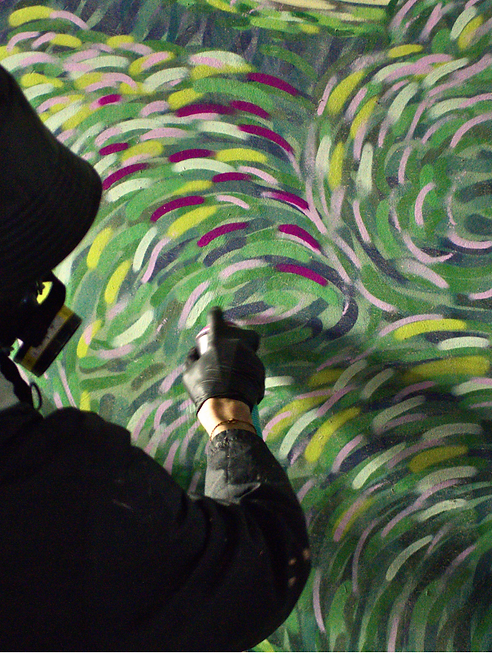
Zan Varela trained in Fine Art at Chelsea College of Arts, University of the Arts London (UAL). In the studio, his practice has been rooted in Neo‑Impressionist painting and a long-term investigation into light decomposition, optical colour mixing, fragmented brushwork, divisionism and lithography printmaking techniques.
That research did not stay on the canvas. Over time, it evolved into a mural practice that brings the same questions about colour, light and perception into real architectural spaces. The studio’s large-scale work grows directly out of this fine-art investigation — including projects such as a Houses of Parliament oil triptych exhibited at the Chelsea Degree Show — and applies it to walls, corridors and rooms that people actually live and work in.
From canvas to monumental scale.
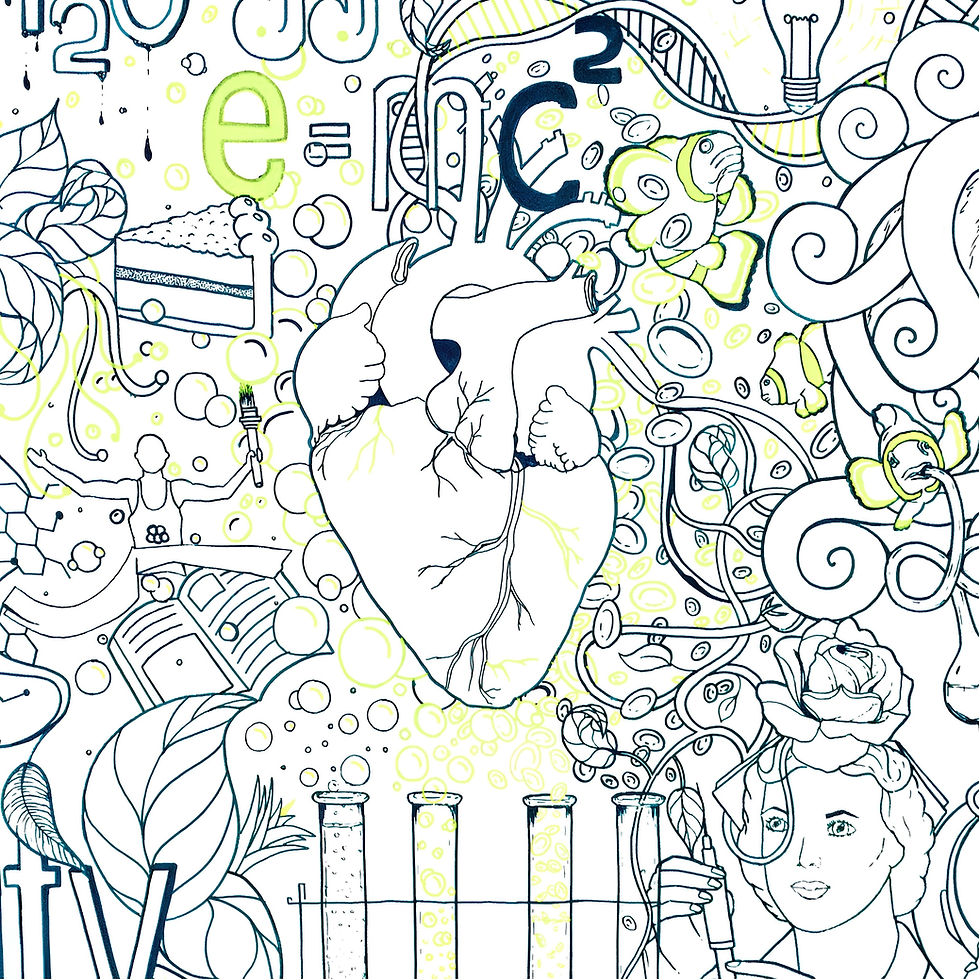
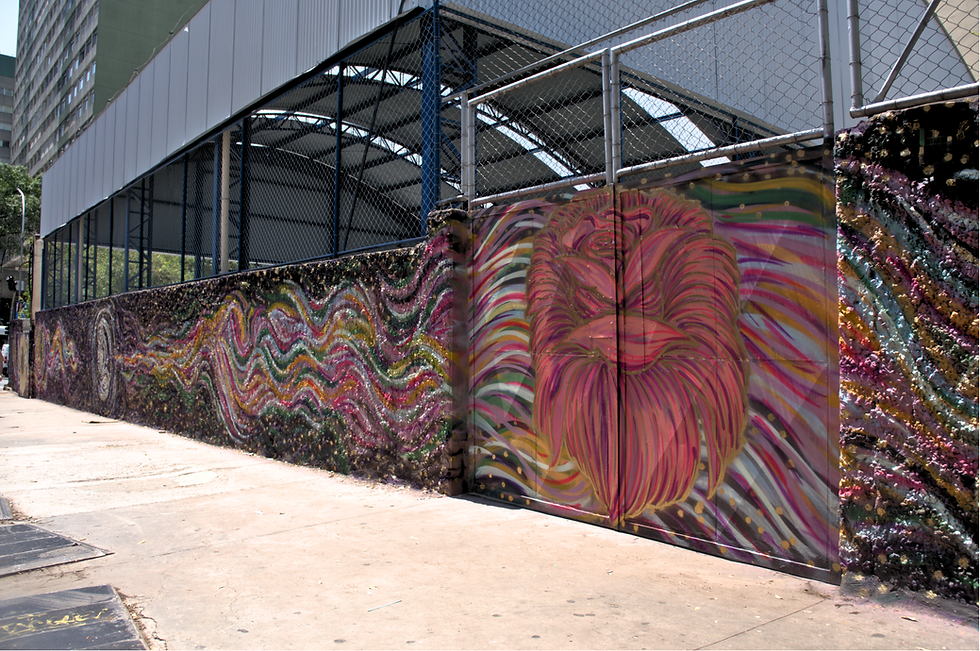
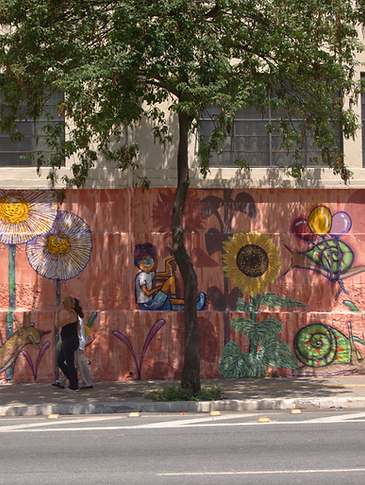
Zan’s work moves from the studio into real architectural spaces. As a creative producer and curator, he helped revitalise Túnel Noite Ilustrada in São Paulo, coordinating 100 artists across 7,000m² of public tunnel walls. His practice spans monumental murals at Escola Estadual Marina Cintra, interactive phonics murals at Faith Nursery, biophilic installations for Lisbela Gastrobar, and commercial interventions for 11 London Agency. Demonstrating a versatile practice that extends across public art, education, hospitality and commercial environments.
.jpeg)
.png)
.png)
.png)
THE ZMURAL PHILOSOPHY
The artwork should belong to the space.
.png)
ZMural never treats a mural as something simply placed onto an existing wall. Every project begins with the space itself — its natural light, room proportions, architectural contours, existing colours and materials, and the way people move through and inhabit it. The aim is for each artwork to feel integrated with the architecture rather than applied to it.
A successful mural doesn’t simply occupy a wall. It changes the relationship between the wall, the space and the people experiencing it.
THREE CREATIVE APPROACHES
Three ways of transforming a space.
ZMural works in three distinct creative approaches, not pricing tiers. Each approach is tailored to the specific functional and artistic needs of the environment.
Signature Fine Art & Site-Specific Murals
Bespoke, highly artistic work incorporating biophilic subjects, optical colour mixing, Neo-Impressionist approaches to light and large-scale public artwork.
Illustrative, Commercial & Functional Interventions
High-energy illustrative work, doodle art, brand storytelling, educational murals and artwork designed around a specific commercial or functional purpose.
Architectural Decorative Features & Colour Zoning
More restrained spatial interventions including precision-masked arches, wavy horizons, geometric patterns, boho sun motifs and considered colour zoning.
MATERIAL RESPONSIBILITY
Craftsmanship beyond the image.
Deep artistic quality is defined not just by the final visual, but by the integrity of how the work is executed from surface to seal.
Structural wall preparation, surface repair and technical base coating are integrated directly into the ZMural process where required, ensuring a professional foundation for every artwork. In residential, commercial and educational environments, the studio prioritises low-VOC, low-odour emulsions, selecting materials that support indoor air quality and allow for rapid room re-entry following completion.
- Water-based eco-emulsions for interior living and learning spaces.
- Heavy-duty, weather-resistant masonry coatings for exterior surfaces.
- Specialised aerosol techniques for exterior facades and structural interventions.
Material selection is approached as a fundamental component of the design and execution process from the outset, never as an afterthought.
THE ARTIST’S STATEMENT
Why I paint.
.png)
“I love the moment when a painting stops feeling like something placed onto a wall and starts feeling like part of the space itself.” For me, muralism is an investigation into how colour and fragmented atmosphere can redefine architecture. By decomposing light and nature into brushwork that responds to the specific movement of a room, I aim to transform the environment into an immersive experience where the wall ceases to be a boundary and becomes a window into a deeper spatial connection.
Have a space worth transforming?
Whether you have a developed concept or simply a space with potential, let’s talk about what could be created for it.